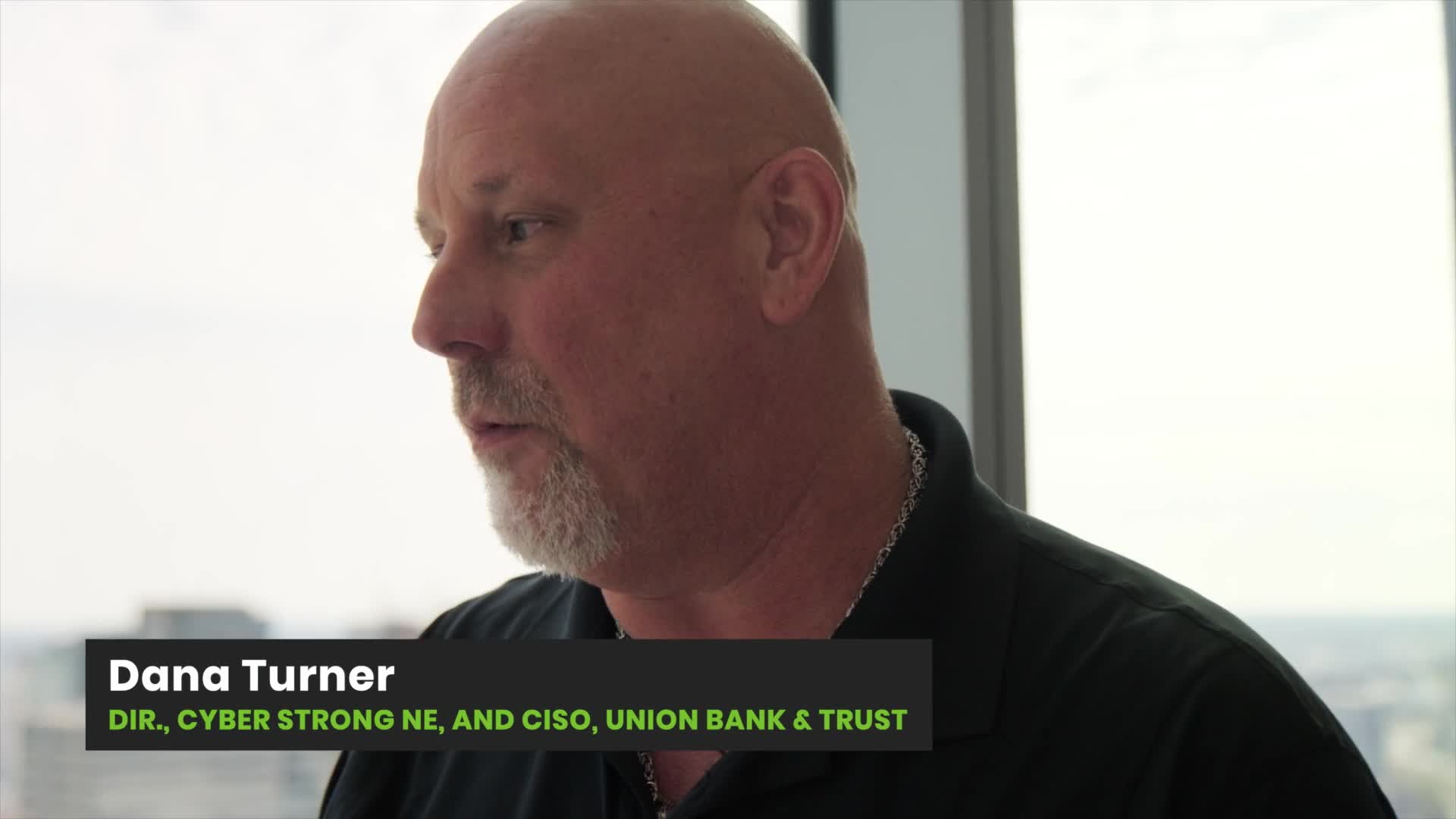
3 Signals Your Team Is (or Isn't) Ready
Most security teams have the right tools. Many have trained analysts. On paper, they look ready.
But real incidents don’t follow the plan.
Alerts come in fast. Information is incomplete. Decisions have to be made without full context. This is where the gap between preparation and readiness becomes clear.
In this video, we break down three signals that show whether a team is truly ready to respond or still operating in theory.
First, how well analysts execute under pressure. Not just what they know, but whether they can apply it quickly and confidently when conditions aren’t ideal.
Second, how clearly teams communicate during an incident. Response is rarely an individual effort. It depends on coordination across roles, priorities, and leadership.
Third, whether performance is measured in a meaningful way. Without data on response times, decision-making, and gaps, leaders are left relying on assumptions instead of evidence.
Readiness isn’t built through one-time training or tabletop discussions alone. It comes from repeated, hands-on practice in environments that reflect how attacks actually unfold.
The goal isn’t just to respond. It’s to respond effectively, consistently, and with confidence.
That’s what separates teams that are “prepared” from teams that are battle-ready.