Industrial Control Systems Security:
Safeguarding the Backbone of Critical Infrastructure

In an era where digital transformation drives operational efficiency, the convergence of information technology (IT) and operational technology (OT) has become inevitable. Industrial control systems (ICS) — the heart of critical infrastructure sectors like energy, water, manufacturing, and transportation — are now more interconnected than ever. However, this integration introduces new cybersecurity challenges that, if not addressed, can lead to catastrophic consequences.
Recent incidents, such as the Colonial Pipeline ransomware attack and the attempted poisoning of a Florida water treatment plant, underscore the urgency of implementing robust ICS security measures. These events highlight the vulnerabilities within our critical infrastructure and the pressing need for comprehensive cybersecurity strategies.

What Is Industrial Control Systems (ICS) Security?
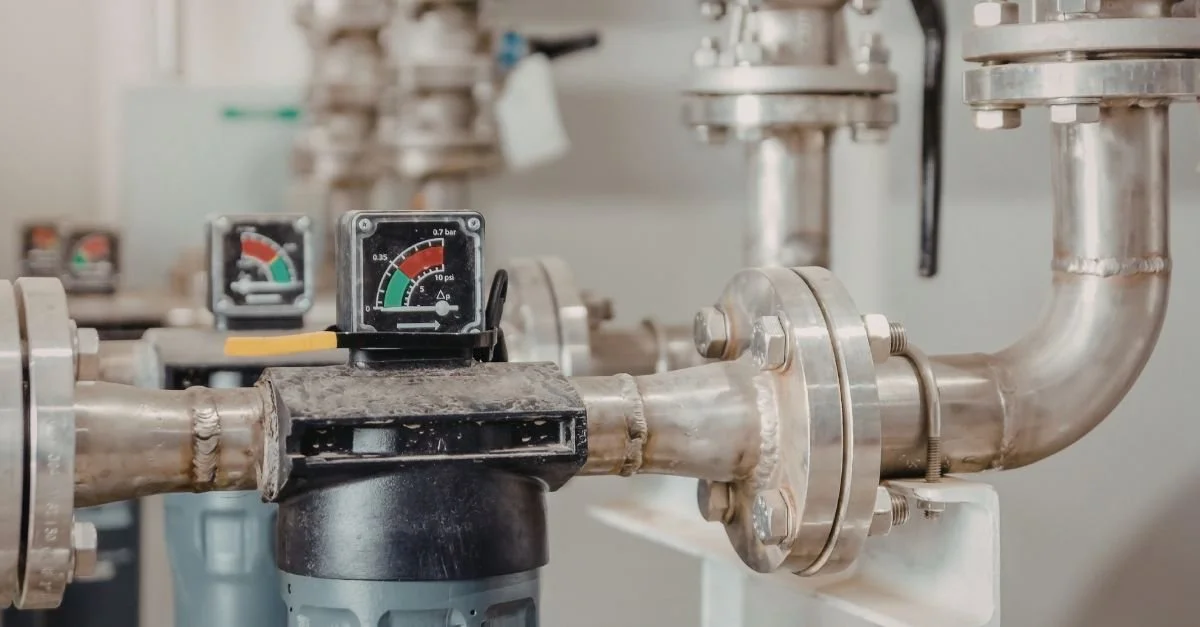
Industrial control systems (ICS) security refers to the practices and technologies used to protect ICS from cyber threats.
Components of Industrial Control Systems
SCADA (Supervisory Control and Data Acquisition): Centralized systems used to monitor and control dispersed assets.
DCS (Distributed Control Systems): Systems primarily managing processes within a localized area.
PLC (Programmable Logic Controllers): Industrial computers controlling specific automation tasks.
RTU (Remote Terminal Units): Devices deployed in remote locations to monitor and control equipment.
Securing these systems ensures the confidentiality, integrity, and availability of critical operations, safeguarding against disruptions that can have far-reaching impacts.
Why ICS Security Is Essential
Escalating Threat Landscape
The frequency and sophistication of cyberattacks targeting ICS have surged. In 2025, the energy and utilities sector (including water) faced an average of 1,872 weekly cyberattack attempts per organization, up 53% year over year, according to Check Point Research. These attacks exploit vulnerabilities in outdated systems, weak authentication protocols, and inadequate network segmentation.
High-Profile Cyber Incidents
Stuxnet (2010): A sophisticated worm that targeted Iran's nuclear facilities, manipulating PLCs to cause physical damage.
Colonial Pipeline (2021): A ransomware attack that disrupted fuel supply across the U.S. East Coast, leading to widespread shortages.
Oldsmar Water Treatment Plant (2021): An attacker gained remote access and attempted to increase sodium hydroxide levels in the water supply, highlighting the potential for cyberattacks to endanger public health.
Regulatory Compliance
Organizations must adhere to stringent cybersecurity standards to protect critical infrastructure:
NERC CIP: Ensures the reliability and security of the bulk power system.
ISA/IEC 62443: Provides a framework for securing industrial automation and control systems.
NIST SP 800-82: Offers guidance on securing ICS environments.
Benefits of Robust ICS Security

Operational Resilience and Reliability
Robust ICS security helps ensure continuous operation by preventing downtime due to cyberattacks. For instance, in 2021, successful cybersecurity measures at a major U.S. power plant prevented a ransomware attack from disrupting electricity supply, ensuring uninterrupted service to thousands of households.
Protection Against Cyber Threats
Effective ICS security significantly reduces vulnerabilities to cyber threats such as ransomware and Advanced Persistent Threats (APTs). The implementation of advanced intrusion detection systems (IDS) at a water treatment facility successfully prevented a cyber-attack in real-time, maintaining safe drinking water standards.
Enhanced Regulatory Compliance
Compliance with standards such as NERC CIP and ISA/IEC 62443 ensures regulatory obligations are met, reducing legal risks. A leading chemical plant achieved full compliance through rigorous cybersecurity frameworks, minimizing regulatory scrutiny.

Improved Stakeholder Confidence
Organizations with robust ICS security strategies are trusted more by customers and investors. Following strong ICS security implementation, a prominent oil and gas company experienced improved investor confidence, reflected in increased market valuations.

Strengthen Your OT/ICS Cyber Resilience
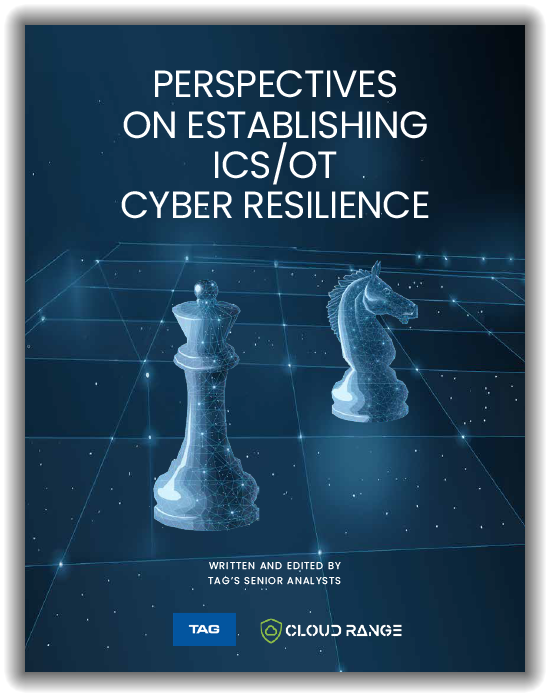
Cyber threats to OT and ICS environments are evolving—are you prepared? Our ebook, Perspectives on Establishing ICS/OT Cyber Resilience, provides expert insights on building a resilient security strategy.
Learn how to anticipate, withstand, and recover from cyber incidents with practical guidance on zero trust, incident response, and live-fire simulation training. Take the next step in securing your OT/ICS systems.

Common Vulnerabilities and Threats to ICS
ICS networks often suffer from vulnerabilities such as weak authentication, unsecured remote access, and more.
Common Vulnerabilities
Weak Authentication: Use of default or easily guessable passwords.
Unsecured Remote Access: Lack of secure protocols for remote connections.
Outdated Systems: Legacy systems lacking current security patches.
Types of Threats
Ransomware: Malware that encrypts data, demanding payment for decryption.
Advanced Persistent Threats (APTs): Prolonged, targeted attacks by sophisticated adversaries.
Insider Threats: Malicious or negligent actions by employees or contractors.
Physical Sabotage: Deliberate damage to physical components of ICS.

Core Principles of Effective ICS Security
Defense-in-Depth Approach
Adopting layered defenses such as firewalls, intrusion detection systems, and endpoint security helps protect critical assets comprehensively. A European manufacturing plant successfully thwarted a phishing attack by leveraging multiple security layers.
Network Segmentation and Isolation
Isolating critical ICS assets reduces the impact of breaches. During a cyber incident at a North American refinery, segmented networks contained the threat and prevented widespread disruption.
Secure Remote Access Practices
Strong authentication and encrypted communications prevent unauthorized access. After implementing secure VPNs and multifactor authentication, a water utility saw a significant reduction in unauthorized access attempts.
Regular Vulnerability Assessments
Regular assessments help identify vulnerabilities early. A regional electricity provider avoided a potentially crippling attack by identifying and patching vulnerabilities promptly during routine assessments.
IMPLEMENTING AND MANAGING ICS SECURITY
Initial Assessment and Planning
Conduct thorough risk assessments and asset prioritization. A utility company improved response capabilities after clearly identifying and prioritizing critical assets.
Deployment of Security Controls
Deploy technical, physical, and administrative controls effectively. A pharmaceutical plant successfully integrated robust firewalls, strict access controls, and employee cybersecurity training to protect against cyber threats.
Continuous Monitoring and Incident Response
Real-time monitoring and well-practiced incident response plans are critical. An oil refinery's SOC detected and rapidly responded to an intrusion attempt, minimizing disruption due to its robust response protocols.
Maintenance and Upgrades
Consistent patch management and lifecycle management mitigate risks from outdated technologies. A chemical manufacturing firm significantly reduced cyber incidents after implementing strict lifecycle management practices.
Real-World Use Cases and Case Studies
Water Treatment Plant Attack
In 2021, a hacker accessed the Oldsmar water treatment plant's control system and attempted to increase sodium hydroxide levels to dangerous levels. The attack exploited outdated systems, poor password practices, and a lack of network segmentation. Prompt detection prevented a potential public health crisis.
Colonial Pipeline Ransomware Attack
A ransomware attack forced the shutdown of the Colonial Pipeline, disrupting fuel supply across the U.S. East Coast. The incident highlighted the vulnerabilities in critical infrastructure and the need for robust cybersecurity measures.
Learn more about these and others here.
Challenges in ICS Security Implementation
LEGACY SYSTEMS
Older ICS often lack security by design, requiring extensive and sometimes costly upgrades. A water facility faced significant challenges integrating modern security solutions due to legacy equipment.
INTEROPERABILITY ISSUES
Integrating diverse systems securely can be complex. An energy provider faced difficulties securing communication between legacy and modern ICS technologies.
LIMITED CYBERSECURITY EXPERTISE
The shortage of trained cybersecurity professionals presents a significant obstacle. Many utilities struggle to find personnel skilled in both operational technology and cybersecurity, underscoring the need for specialized training programs.

Best Practices for Effective ICS Security
Employee Cyber Training: Regular employee training and cybersecurity awareness programs.
Adoption of Frameworks: Adopting recognized frameworks such as NIST SP 800-82 and ISA/IEC 62443.
Engaging Specialized Services: Engaging cybersecurity services, including platforms like Cloud Range, for realistic cyber attack simulations and training.
Pro Tips and Business Insights from Cloud Range
Cloud Range has developed a cyber range platform specifically tailored for operational technology (OT) and ICS environments. Here are some key takeaways and insights from the Cloud Range team:
Train Like You Fight
Real-world cyberattacks don't happen in theory—they happen in chaos. Cloud Range's live-fire ICS/OT simulations replicate the complexity and pressure of actual cyberattacks, enabling defenders to build confidence, communication skills, and collaborative instincts.
“When people go through our ICS training exercises, they learn how to make decisions under fire. That’s something a PDF or video training can never replicate.”
— Debbie Gordon, CEO, Cloud Range
Cross-Training IT and OT Teams Is Critical
Many ICS security failures result from miscommunication between IT and OT departments. Cloud Range's scenarios encourage joint response exercises, ensuring that both sides understand their roles and can respond in sync.
Cloud Range Builds Cyber Resilience
Security is not just about prevention; it’s about response readiness. By simulating security attacks on industrial control systems, Cloud Range helps organizations:
Reduce mean time to detect and respond (MTTD/MTTR)
Test incident response plans and playbooks
Align with ICS security frameworks like NIST SP 800-82 and ISA/IEC 62443
Focus on Threat Emulation, Not Just Detection
Most traditional ICS security training focuses on theoretical concepts. Cloud Range emulates real threats—ransomware, insider attacks, remote access abuse—giving your security operations center (SOC) the skills to respond decisively.
Learn more about ICS and OT Live-Fire Cyberattack Simulations with Cyber Range.
Cloud Range: An Award-Winning Solution



Industrial Control Systems Security FAQs
1. What is ICS in cyber security?
ICS (Industrial Control Systems) in cybersecurity refers to the protection of control systems used to manage industrial operations, such as SCADA, PLCs, and DCSs, from cyber threats.
2. Why are ICS environments more vulnerable than traditional IT systems?
ICS environments often contain legacy systems, lack encryption, and prioritize availability over security, making them susceptible to attacks.
3. What are common attacks on ICS?
Common attacks include ransomware, phishing leading to remote access abuse, insider sabotage, and APTs exploiting unpatched systems.
4. How can organizations secure industrial automation and control systems?
By implementing defense-in-depth strategies, network segmentation, secure remote access, and regular ICS-specific cyber security training.
5. What frameworks guide industrial control system security?
NIST SP 800-82, ISA/IEC 62443, and NERC CIP provide best practices for securing ICS environments.
6. Is ICS cyber security training different from IT security training?
Yes. ICS training focuses on securing physical processes and equipment, often using simulations that replicate OT-specific threats.
7. How does Cloud Range support ICS security?
Through immersive, live-fire cyber range training tailored to OT environments, improving team readiness and compliance posture.
8. What industries benefit most from ICS security?
Energy, water, transportation, manufacturing, oil and gas, and any sector that relies on automated physical processes.
9. What are the key principles of industrial control systems security?
Defense in depth, secure architecture, restricted access, monitoring and logging, and incident response planning.
10. How often should ICS security be reviewed?
Continuously. Threat modeling, penetration tests, and incident response drills should be performed regularly to address evolving risks.
Final Thoughts
Robust ICS security is vital for safeguarding critical infrastructure. Proactive measures, continuous training, and specialized cybersecurity tools ensure operational resilience and defense against cyber threats.
At Cloud Range, we specialize in preparing organizations to defend against cyber threats targeting industrial control systems. Our ICS cyber security training simulations place your team inside real-world attack scenarios—without risking actual infrastructure. Whether you're securing energy grids, manufacturing operations, or water treatment facilities, our platform ensures your team develops muscle memory in how to detect, respond to, and recover from ICS-specific threats.
Don't wait until a breach occurs. Schedule a consultation or demo with Cloud Range today to explore how our live-fire ICS cybersecurity training can fortify your defenses and empower your team with hands-on resilience.


Discover how live-fire, hands-on simulations will measurably improve your OT and ICS security.
Request a demo today.
Cloud Range OT/ICS News