

The Forgotten Attack Surface: How Old Assets Create New Cyber Risk
Expired domains, dormant accounts, forgotten SaaS integrations, and test environments can retain trust and access long after their original purpose ends. Learn how these overlooked assets create cyber risk.
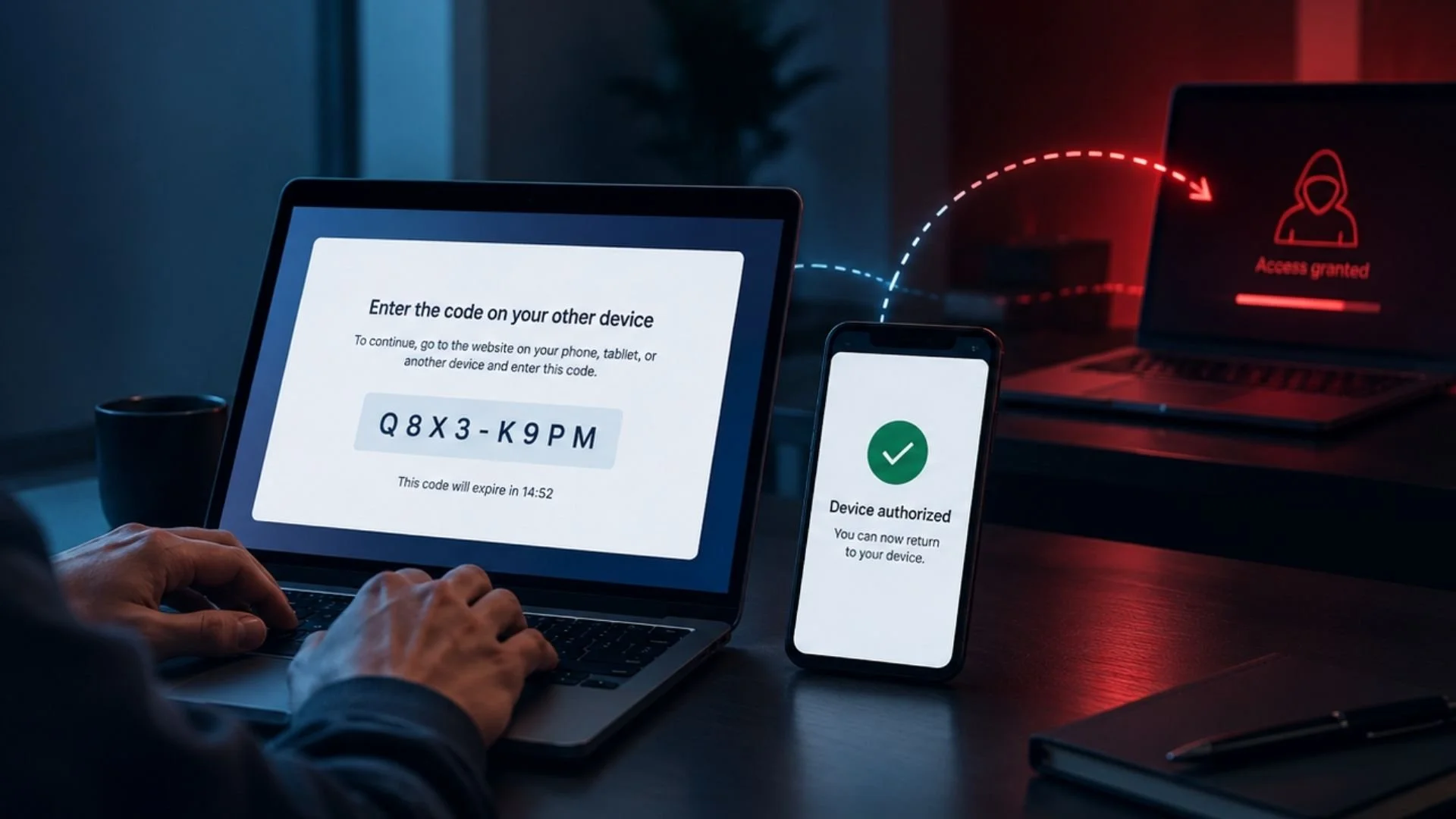
5 Things to Know About Device Code Phishing
Device code phishing exploits legitimate authorization workflows rather than stealing credentials or bypassing MFA. Learn how these attacks work, why they're growing, and what security teams need to know.

2026 U.S. Water System Cyberattacks: 3 Lessons for Critical Infrastructure
The 2026 U.S. water system cyberattacks exposed critical lessons about OT security, resilience, and the need to prove readiness before an attack.

4 Ransomware Trends Security Leaders Should Watch in 2026
Ransomware attacks are getting faster, more fragmented, and harder to recover from. Explore four trends shaping ransomware in 2026 and what they mean for cyber readiness.

AI Agent Testing: What Recent OpenAI, Anthropic, & Meta Incidents Mean for Enterprises
Recent OpenAI and Anthropic incidents highlight why enterprises need to test and continuously validate how AI agents behave before giving them access to critical systems.
How Agentic AI Expands the SOC Attack Surface
Learn how agentic AI expands the SOC attack surface through AI decision-making, tool access, delegated authority, and new security risks.
The Security Blind Spots Endpoint Tools Can’t See
Modern attacks increasingly occur beyond the endpoint. Learn why security validation must extend across today's enterprise attack surface.

Why Continuous Validation Is Becoming the New Measure of Cyber Readiness
Cyber readiness is shifting from preparedness on paper to performance in practice. That requires continuous validation. Explore our takeaways from Gartner's 2026 Hype Cycle for Security Operations and what they mean for modern security teams.

How Mature Is Your AI Security Program?
Assessing AI security maturity starts with asking the right questions. Learn how to evaluate AI visibility, ownership, governance, and validation across your organization.

Why Financial Sector Intrusions Are Rising—and Attackers Are Staying Longer
Financial sector intrusions are evolving. Discover why attackers are spending more time inside financial environments and how organizations can strengthen their defenses.

Securing the World Cup: Cyber Readiness for Major Sporting Events
Major sporting events create massive digital ecosystems and attractive targets for attackers. Learn what the 2026 FIFA World Cup can teach organizations about cyber readiness.
When Data Exfiltration Moves Faster Than Your Response Plan
Data exfiltration is happening faster than ever. Learn why operational tempo, not just detection, is becoming the critical factor in incident response.
When Intrusions Use Trusted Tools
Attackers increasingly operate through valid credentials and trusted tools, making modern intrusions harder to detect. This blog explores why these attacks blend into normal operations and what security teams can do about it.

Before You Trust AI in the SOC, You Need to Prove It
AI is increasingly embedded in security operations, and organizations want to ensure it’s safe and accurate. This blog explores the growing gap between AI that appears functional and AI that is truly ready for operational use.

What the Axios npm Breach Reveals About Modern Supply Chain Risk
The Axios npm breach reveals how compromised dependencies can spread through the software supply chain. Learn how to detect exposure and respond effectively.

What Needs to Change in Cyber Risk Management and Why
Learn what needs to change in cyber risk management and why dashboards, frameworks, and reporting are not enough to prove real cyber readiness.

Rising Zero-Day Exploitation in 2026: What Prepared Teams Do Differently
Zero-day threats are growing, and most teams aren’t prepared to respond without clear signals. Learn how to improve detection and decision-making when the exploit is unknown.

Post-Quantum Cryptography: Security Risks Driving Early Adoption
If quantum computing breaks today’s encryption, digital trust could erode. Here are the security risks driving organizations to adopt post-quantum cryptography.

Securing Remote Access in Industrial Environments
Remote access is essential for modern industrial operations, but it also introduces significant cybersecurity risk. Learn how attackers exploit remote access infrastructure and how organizations can better secure and test access to critical OT systems.

Operational Readiness for Agentic AI in the SOC
Agentic AI is rapidly entering SOCs, promising faster triage and automated response. But how do you know AI agents are making the right decisions under real conditions? Learn how to evaluate and deploy AI securely.